
Uganda can be a unique choice for expats, digital nomads, and retirees. The country offers a low cost of living, amazing wildlife, great weather, and a laid-back lifestyle. It’s an exotic destination for those who are looking for something a little bit different. Of course, there are some drawbacks to consider. You may experience some culture shock. Crime rates can also be high. Living in East Africa isn’t for everyone.
In this guide, I’ll outline everything you need to know about living in Uganda as an expat. I have spent about a year and a half in Uganda. I spent most of my time in the capital, Kampala. Recently, I moved to Entebbe.
I’ve also made this YouTube video about my experience living in Uganda

Table of Contents
- Info About Uganda
- Cost of Living in Uganda
- Visas for Uganda
- Is Uganda Safe?
- Staying Healthy While Living in Uganda
- Corruption and Bribes
- Staying Connected: Sim Cards, Internet, and Phone Service
- What to Pack
- Transportation: How to Get Around Uganda
- How to Find Housing in Uganda
- The Best Neighborhoods in Kampala
- Shopping in Uganda
- Bars and Restaurants
- Making Friends and Dating in Uganda
- Pros and Cons of Living in Uganda as an Expat
- FAQ
Some Important Things to Know Before Moving to Uganda
- People will call you a mzungu- Mzungu is a Swahili word used to refer to a white person or foreigner. This term is used all over East Africa. If you’re of European descent, you’ll hear it all the time. Usually, it’s used in a friendly manner. It can be used in a derogatory manner as well.
- Uganda is not LGBT friendly- Same-sex relationships are illegal in Uganda. Even for visitors.
- Uganda is a developing country- Infrastructure is poor. The roads are rough and full of potholes. Medical facilities are lacking. Power outages are frequent. Many people live in poverty.
- English is commonly spoken- You can get by with just English in most of the country. The main language spoken in Uganda is Luganda.
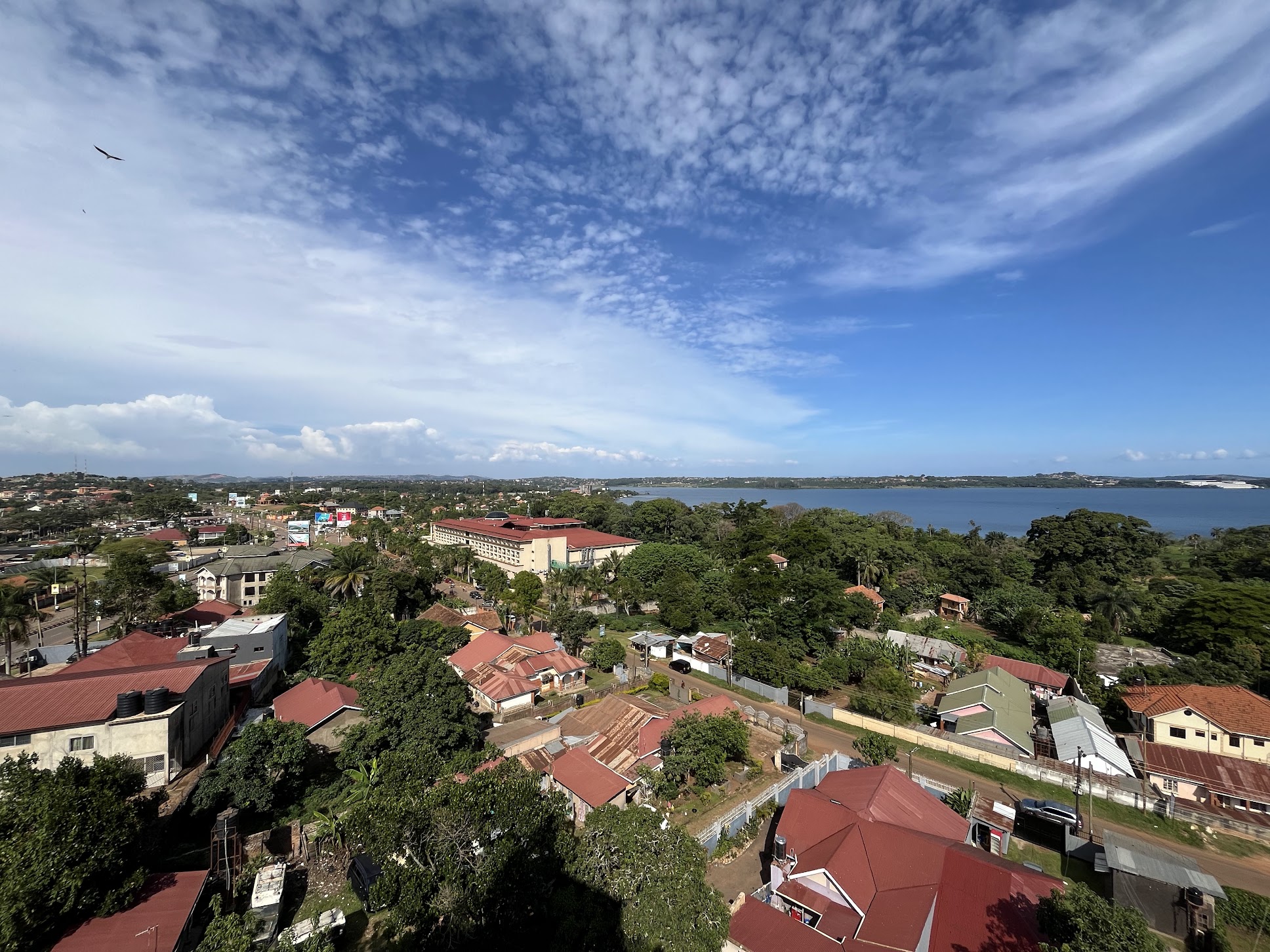
The Cost of Living in Uganda
Uganda is an affordable place to live. An average expat could live comfortably on a budget of $1200-$1600 per month. This budget includes rent, utilities, food, transportation, and entertainment.
On this budget, you could rent a nice one-bedroom apartment in a modern building in a safe neighborhood of Kampala. You could eat out a few times per week, take taxis and boda bodas everywhere you want to go, and go out to enjoy the nightlife on the weekends. You would have to cook some of your own meals.
It’s possible to get by on a much lower budget. If you were to rent an unfurnished apartment outside of the city center and cook most of your own meals, you could live on as little as $800-$1000 per month. It would be possible to live on less than $500 per month in smaller cities if you lived like a local in a one room home with no indoor plumbing.
If you want to live a higher-end lifestyle, expect to spend closer to $2500-$3000 per month. On this budget, you could live in a modern apartment in an upscale neighborhood, drive your own car or hire a driver, and eat out every day.
Millions of Ugandans live on less than $200 per month. It’s possible to live very cheaply here. As a foreigner, you will have to spend more than the locals.
Currently, the exchange rate is about 1 USD for 3800 Ugandan shillings.
Rent in Uganda


Renting a furnished one-bedroom apartment in Kampala costs around $500-$600 per month. You can find furnished apartments on Airbnb. This is the best option if you’re only staying a few months or less.
An decent 1 bedroom unfurnished apartment goes for around around $150-$200 per month. A 2 bedroom goes for around $300-$400 per month.
There are also higher-end apartments available. Luxury apartments in wealthier neighborhoods like Kololo cost around $800-$1000 per month. These properties may have amenities such as a pool, 24-hour security, a gym, and a backup generator so the power doesn’t go out.
For the past year, I lived in a 2 bedroom apartment in Kyanja that cost 800,000 UGX or about $215. Last month, I moved to Entebbe. I’m renting a 2 bedroom apartment in Katabe for 1,000,000 UGX or about $275.
Some long-term expats choose to buy a home or build their own home. It is possible to build a nice home in Uganda for under $150,000.
Food Cost in Uganda
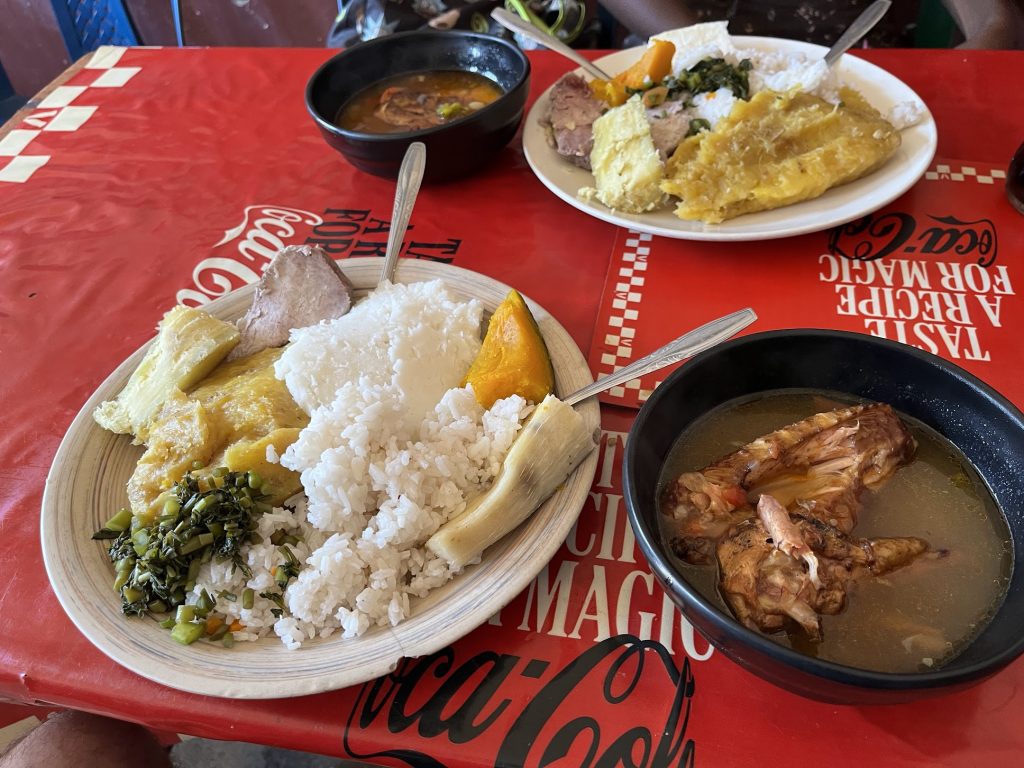
If you eat mostly local foods and cook your own meals and eat out once or twice per week, you could maintain a healthy diet for $200-$250 per month. If you like to maintain a Western diet and eat out often, you might spend closer to $300-$400 per month on food.
Locally produced foods are cheap. You can save a lot of money by shopping at local markets and buying local products like matoke, posho, Irish (potatoes), fresh fruits and vegetables, rice, soups, etc.
For some examples of the cost of some common grocery items, a loaf of bread costs around 5500 UGX or $1.50. A dozen eggs costs around 6000 UGX or $1.60. A Kilo of chicken or beef costs about 20,000 UGX or $5.40. One liter of milk costs around 4000 UGX or $1.00.
Imported foods and western foods are more expensive. Cheese is particularly expensive, for some reason. 250 grams of Feta costs about 25,000 UGX or $6.70.
Restaurants in Uganda are kind of pricey. At a mid-range restaurant, like Cafe Javas, expect to spend 35,000-50,000 UGX for a meal $10-$15 on a meal. A pizza usually costs around 35,000 UGX. A burger and fries might cost around 40,000 UGX. A piece of chicken and some fries might cost $20,000 UGX.
If you eat at a local restaurant, you can enjoy a Ugandan meal for less than 10,000 UGX (around $2.50). Street food is also available. A rolex (an omelet with onion and tomato rolled in a chapati) costs 2000 UGX or $0.55. Muchomo (a skewer of grilled pork) costs around $0.90. Some fresh fruit (pineapple, mango, or watermelon) costs around $0.55.
Transportation Cost
Transportation cost in Uganda also affordable. A one-way ride across town in a taxi (shared minibus) costs 2000-5000 UGX ($0.50-$1.40).
A one-way boda boda (motorcycle taxi) ride of about 7 or 8 km costs around 8000 UGX or $2.25. A 10-12 km ride costs around 12000-15000 UGX or around $3-$4. A short ride of 2-3 km costs around 2000-3000 UGX $0.50-$0.80. Boda rides are a bit cheaper if you use Safe Boda instead of getting a random one. This is like Uber for motorcycle taxis.
Uber is more expensive. A one-way ride halfway across town might cost 35,000 or around $10.
Many long-term expats choose to buy their own vehicle. You could buy a decent used car for $8,000-$10,000. It’s possible to buy a decent motorcycle or scooter for under $1,200.
Entertainment Cost
A domestic beer like a Nile or Tusker usually costs 8000 UGX or $2.15 at a bar. Cocktails cost around 18000 UGX or $5. Some clubs charge a cover of 10,000 UGX $2.70 on Friday and Saturday nights. A movie ticket to see a new release costs around 20000-25000 UGX or $5.40-$6.70.
Utilities Cost
For a one or two bedroom apartment, expect to spend $30-$40 on utilities each month. On electricity, I usually spend 50,000 UGX per month ($13.50). For water, I usually spend around 40,000 UGX per month ($11) A 6kg gas canister for cooking costs 50,000 UGX ($13.5) and lasts me about a month. The apartment complex where I live charges 10,000 UGX for trash service ($2.70).
Other Expenses
Internet service is somewhat expensive. Right now, I’m using Simba Fibre’s basic plan with 30 Mbps. It costs 80,000 UGX ($21.50) per month with unlimited bandwidth. They have faster plans as well. I used to use MTN and it cost 130,000 UGX per month
You’ll also want a local phone plan. Expect to spend $5-$20 per month depending on how much data you need. I use the 10GB per month plan on MTN and it costs 26,000 UGX or $7.
Labor is pretty cheap. If you want to hire a housekeeper, cook, security guard, nanny, or personal boda driver, you can. Many expats hire help around the house. For example, a maid might cost $100-$200 per month, depending on experience.
I pay a lady 20,000-50,000 ($5.40-$13.50) UGX to do laundry and clean around the house. How much it costs depends on what I want her to clean.
For more general info on budgeting, check out my guide to traveling Africa on a budget.


Visas for Uganda
Most nationalities require a visa to visit Uganda. If you don’t plan to work in Uganda, you can apply for a tourist visa and stay for up to 5 months.
Uganda offers an easy-to-use e-visa system. You can easily apply for a visa online in around 20 minutes. All you’ll need to apply for a visa is your passport, a yellow fever vaccine certificate, and proof of onward travel. You’ll also need to pay a visa application fee. The visa fee is about $50 for a standard single-entry tourist visa.
A Ugandan tourist visa allows you to stay for up to 90 days. The visa can be extended for an additional 60 days for free. This allows you to stay for up to 150 days. After that, you’ll have to leave Uganda.
You can apply for a visa on Uganda’s ministry of Internal affairs website here.
If you plan to work in Uganda or stay for longer than 150 days, you will need to apply for an entry permit. An entry permit allows you to stay in Uganda long-term. Some entry permits allow you to work in Uganda.
A number of different entry permits are available. Which one you need to apply for depends on your specific situation. The requirements also vary. For example, you may have to prove that you have sufficient funds to support yourself. If you’re working, you’ll need a letter from the company you’re working for. There is also an application fee. I believe long-term entry permits cost around $1000 per year. For more info on the various entry permits available, visit Uganda’s ministry of internal affairs website here.
Residency permits are available to those who have been living in Uganda long-term as well as those who are married to a Ugandan citizen. These allow you to stay in Uganda permanently. They must be renewed periodically.
It is possible for foreigners to obtain citizenship in Uganda but it is an expensive and time-consuming process. There are also quite a few restrictions.
Working in Uganda
If you plan to work in Uganda, you will need to find a job set up before you arrive. The main sectors that hire expats are non-profit, public health, diplomacy, and tech. Your employer can help you obtain the necessary visa. It is also possible to start a business in Uganda. It’s important to note that salaries are generally low unless you work for a foreign company or a foreign government.
Is Uganda Safe? Avoiding Crime, Scams, and Corruption
Uganda is generally a safe country for expats to live in. The rate of crime is relatively high but it’s pretty easy to stay safe if you take some basic precautions. Foreigners generally aren’t targeted in violent crimes. As a foreigner, the crimes that you’re most likely to encounter are theft and scams. Road safety is also an issue.
Robbery
Home break-ins are a problem in Uganda. For this reason, pretty much all homes and apartments have bars over the windows. There are also large fences with barbed wire around most homes and apartment buildings. Most apartment buildings also have 24 hour security guards. To stay safe, be sure to keep your home locked up at all times. This is particularly important at night. During the day, the risk of break-ins is much lower.
There is also a risk of robbery in Uganda. You really only have to worry about this after dark. To stay safe, it’s best to take an Uber or taxi while moving around at night. It’s generally not safe to walk around alone at night in Uganda. You can walk around crowded areas but you should never walk through deserted areas. Robbers can hide in the darkness on the side of the road and attack. Robbers can also ride up on a motorcycle and rob you. For more info, check out my guide to avoiding getting robbed while traveling.
It’s important to note that it is not safe to take a random boda boda at night. A boda driver could take you to a secluded area and rob you. Some drivers have accomplices. At night, you should order a Safe Boda or order an Uber.
Pickpocketing and Petty Theft
When traveling in crowded areas pickpocketing and petty theft are common, especially in taxis and crowded markets. It’s important to keep an eye on all belongings at all times while you’re out and about. I had my phone pickpocketed in a taxi in Tanzania. For more info, check out my guide to avoiding pickpockets.
Scams
One of the most common scams you’re likely to encounter is overcharging. Taxi drivers, boda drivers, and street vendors will try to charge you more than the going rate. To avoid getting overcharged, always make sure you know how much things cost beforehand. Always agree to a price before accepting a ride.
Scammers could also try to offer you investments or business opportunities. For example, someone might try to sell you gold or land. For more scams to look out for, check out my list of 25 common travel scams.
Violent Crime, Terrorism, and Kidnapping
Violent crime against foreigners is relatively rare in Uganda. You do have to keep an eye out. Muggings and armed robberies can occur. There have been instances of terror attacks in the past. Civil unrest can also occur. Particularly during elections. Kidnappings aren’t common but they have happened. Always stay alert when out and about.
Places to Avoid
Some parts of Uganda are more dangerous than others. There are some regions that are best to avoid. The Karamoja region of north-eastern Uganda is considered unsafe. The border zone with South Sudan is also unsafe due to the risk of banditry. The border zone with the Democratic Republic of the Congo is also unsafe at times.
For more general info, check out my guide: Is Africa Safe? Avoiding Crime and Scams.
Road Safety in Uganda


Being involved in an auto accident is probably your biggest safety risk while living in Uganda. Road safety is poor. Motorcycle accidents are common due to reckless driving, drunk driving, and poor road conditions. Taxi accidents also happen. Road deaths occur frequently.
If your boda or taxi driver is taking too many risks, tell them to drop you off, pay them, then find another driver. It’s not worth risking your life over a couple of dollars. I recommend using Safe Boda. I have found that the drivers go a little slower and drive more cautiously.
Staying Healthy
There are a number of sicknesses and diseases that you could encounter while living in Uganda. Healthcare is also pretty poor.
Take some Precautions to Prevent Mosquito Bites to Avoid Malaria
There is a risk of malaria in Uganda. Avoiding getting bitten is the best way to prevent malaria. If you’re only staying in Kampala, the malaria risk is fairly low but it exists. If you start feeling a fever coming on, go into a clinic for a malaria test. Every clinic offers malaria testing. They take just a couple of minutes and cost just a few dollars.
Be Careful What You Eat and Drink to Avoid Traveler’s Diarrhea
Traveler’s diarrhea is a common issue in Uganda because food hygiene standards aren’t great. In Uganda, Locals refer to this as ‘having a runny tummy.’
The best way to avoid getting sick is to be careful about what you eat and drink. If you spend enough time in Uganda, you will get sick from the food at one point or another. If your symptoms don’t ease up after a couple of days, go to a clinic to get some medication.
Don’t Drink the Tap Water in Uganda
The tap water in Uganda is not safe to drink. The water is treated. When it leaves the treatment plant, it is safe to drink. The problem is that it can run through contaminated pipes on the way to your faucet. There is no way to know whether or not the water is clean without testing it.
For drinking water, you should always buy bottled water. You can also get large jugs of filtered drinking water delivered to your home.
You can drink the tap water in Uganda if you boil it first. I make tea and coffee with the tap water. I just boil it in an electric kettle. You can also brush your teeth with the tap water. You can also use the tap water for cooking, as long as you make sure that it comes to a boil. I have never gotten sick from the water.
Avoid Swimming in Uganda Because there is Bilharzia in Most Freshwater
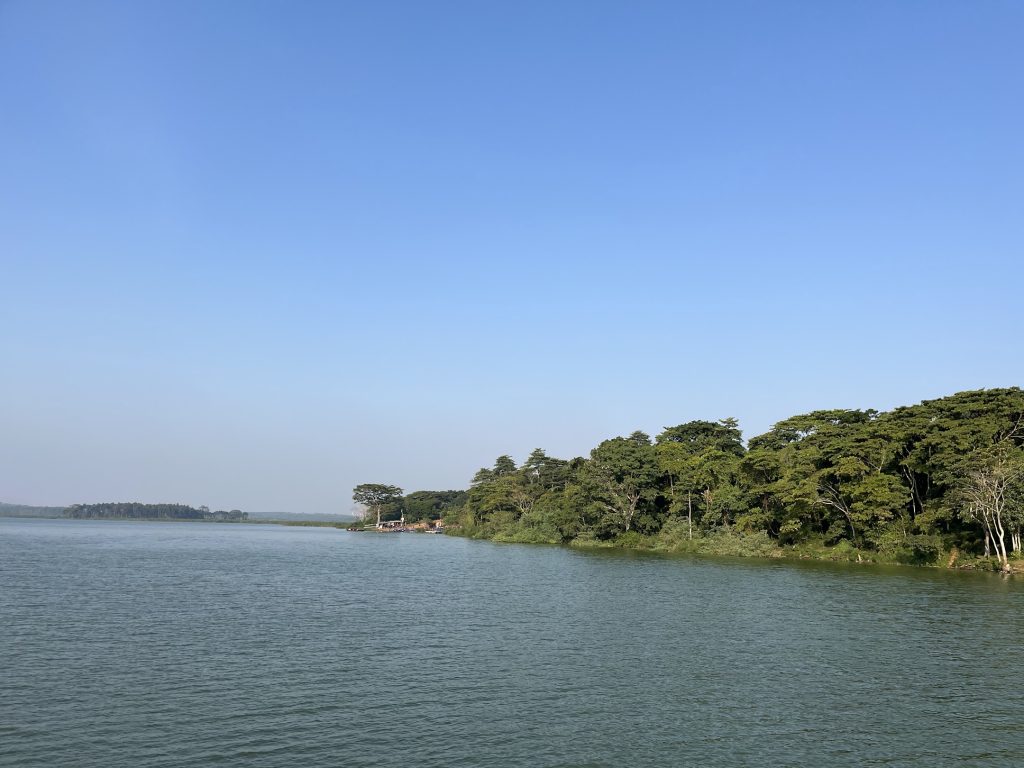
Most bodies of freshwater in Uganda, including Lake Victoria and the Nile, contain a waterborne parasite that can cause an infection called Bilharzia. Bilharzia is caused by tiny parasitic worms known as Schistosoma. These worms live in freshwater snails.
You can contract Bilharzia by swimming in or drinking contaminated water. Luckily, Bilharzia is pretty easily treatable. If you start feeling sick, you can go to a clinic and get tested and treated.
I don’t swim in lakes in Uganda because of this risk.
Corruption and Bribes in Uganda
Corruption is a problem in Uganda. As a foreigner living in Uganda, you may experience corruption from time to time. You could be asked to pay a bribe if you’re pulled over by the police while driving. You may have to pay a bribe for extending your visa. Usually, you can avoid these bribes if you’re patient and calm.
Staying Connected: SIM Cards, Internet, and VPNs
When you arrive in Uganda, buy a local SIM card so you have a local phone number and data on your phone. This also allows you to use mobile money to pay for things.
The two main telecom companies in Uganda are Airtel and MTN. Both offer about the same coverage and prices. MTN offers a slightly faster and more reliable network. Particularly outside of Kampala. Personally, I use MTN. There are other telecom companies with cheaper prices but their coverage isn’t as good.
To get a local SIM card in Uganda, you need to bring your passport and visa to the service center of the phone company you plan to use. An agent will take a photo of your passport. They will also take a photo of you holding your new SIM card. You must pay in cash. Cards aren’t accepted.
Consider buying a Mifi as well. These devices cost about $20. You can load it with data and use it for home internet. I pay about $23 for 45 Gb of data. A Mifi is nice to have because it continues working off of the internal battery when the power is out. This is important because the power goes out frequently in Uganda.
It’s also important to note that your SIM card will automatically shut off when your visa expires. I found this out the hard way. My phone and Mifi suddenly stopped working one day. I went into the service center to find out why. They told me that I had to re-register when I renewed my visa because my original visa that was connected to my account expired. I had to bring my passport and new visa to re-register. It took 24 hours for my SIM cards to start working again.
It’s a good idea to get a VPN if you plan to live in Uganda. This is necessary because some sites are blocked. It can also help protect your info such as passwords and online banking.


Money and Banking
Most expats don’t open a local bank account. They just use their accounts from back home and mobile money. There are ATMs where you can withdraw cash. Most malls have ATMs. Some gas stations also have them. There are also currency exchanges where you can change dollars or euros for shillings. You can also send yourself money from a remittance service like Western Union to your mobile money wallet. You can spend directly from the wallet or withdraw cash.
Credit cards are accepted some places. You can pay with a card at most grocery stores and larger restaurants. Locals often pay with mobile money. Uganda still has a mostly cash-based society. Cash is accepted everywhere.
Transportation: Getting Around Uganda
Getting around Uganda is possibly the worst part of living here. The traffic is pretty crazy. During rush hour, it can take a couple of hours to cross the city in a taxi. The roads are also full of potholes. Many smaller roads are unpaved. It can get dusty. Particularly during the dry season.
The main modes of transport are boda bodas (motorcycle taxis) and taxis (shared minibuses). On longer journeys between cities, there are large busses. Uber is also available. There are also regular taxi cabs.
Boda Boda (Motorcycle Taxi)
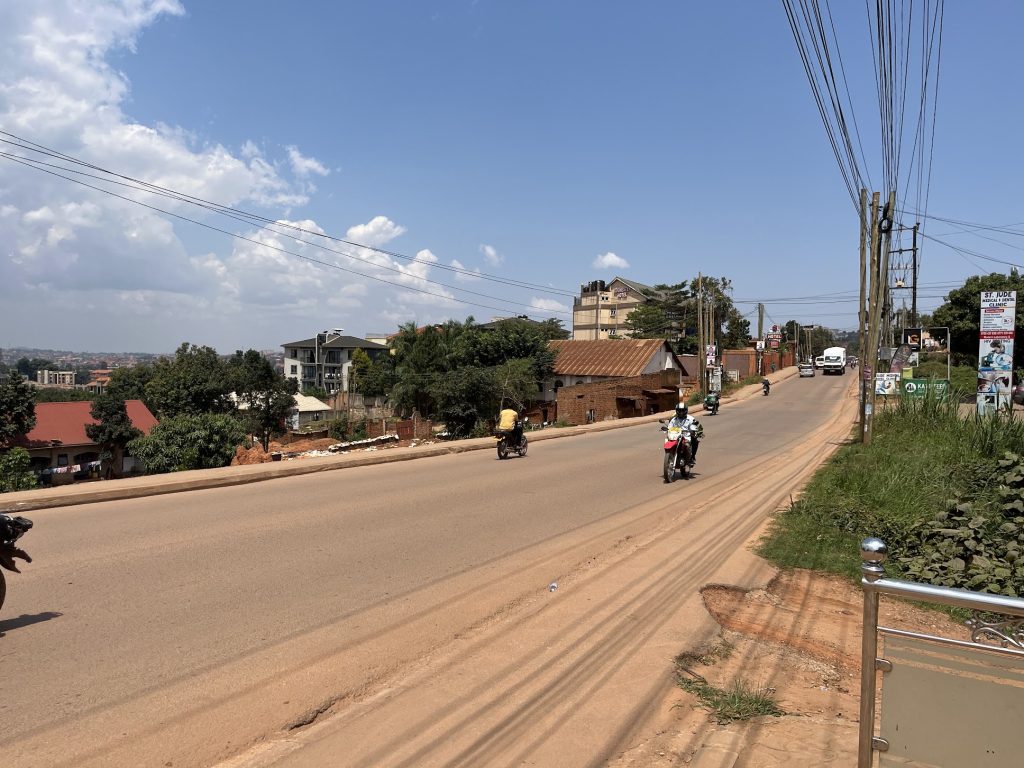
Boda bodas are motorcycle taxis. They are everywhere. It is estimated that there are over 300,000 bodas operating in Kampala. Wherever you are, you can flag one down within a minute.
There are a few ways to call a boda boda. The easiest option is to simply flag one down on the street or go to a boda stand where drivers wait for customers. Pretty much anyone riding a motorcycle is a boda driver. You can just waive at them and they’ll stop if they don’t already have a passenger.
You can also call a boda boda driver through the SafeBoda app. This app works just like Uber. You input your destination and pickup location and the driver comes to you. You can identify the driver with an ID number that is printed on their helmet. The app gives you a price range. When you arrive, the app will tell you the exact price. You can pay through your phone with mobile money or you can pay the driver in cash.
If you meet a boda driver that you like, ask for his number. Call him up when you need a ride. If he’s nearby, he’ll come to pick you up.
You can also hire a full-time boda driver. Some expats pay for a private driver that is always on call. Check the Uganda expat facebook group for recommendations.
Tips for Taking Boda Bodas in Uganda
- Find a landmark near your destination- Many boda boda drivers don’t know how to read maps. You can’t just show them where you want to go on Google Maps.
- Try to flag down a moving boda if possible- They tend to be cheaper than the guys waiting at the boda stations.
- Negotiate- Boda boda drivers often try to overcharge foreigners.
- Carry small bills- Many boda drivers don’t carry change. Sometimes they have a few thousand shillings. They can’t break large notes.
Taxi (shared minibus)
In Uganda, the word taxi refers to a shared minibus. Not a private taxi. Taxis run on set routes. There are routes running all over cities and between cities.
Taxis are the cheapest mode of transportation in Uganda. A ride usually costs 2000-5000 shillings ($0.50-$1.25) depending on the distance. For example, a ride halfway across Kampala costs 2000-3000 shillings. An express taxi from Entebbe to Kampala costs 5000 shillings.
You can catch a taxi at a taxi park or flag one down while it’s moving. When you’re ready to get off, just ask the driver to stop.
The drawback to taking taxis is that they are incredibly slow. They don’t leave until they are completely full. Most taxis hold around 15 people. If there are only a few people in the taxi when you arrive, you might sit around for an hour or more waiting for passengers. If a few people get off, sometimes they’ll stop in the middle of the route to wait for more passengers. They’re also uncomfortable. Everyone is packed inside. Taxis get hot and smelly.
It can also be tricky to find the right taxi. If you go to a taxi park and tell one of the attendants where you want to go, they will point you in the right direction. Sometimes you’ll have to make a transfer or two.
Uber
Uber operates in Kampala. You have the option to pay with your credit card or pay in cash.
It can be difficult to give the driver directions. They sometimes have trouble reading the map. It’s helpful if you know a landmark near your destination.
Bus
When traveling long distances, you can take the bus. A ticket across the country might cost $10-$15. An international ticket to Kenya or Rwanda costs $25-$30.
A number of bus companies operate in Uganda including Mash Bus, Modern Coast, Gateway Bus, Jaguar, and more. The buses are in good condition and the service is operated professionally.
For more info on bus travel, check out my guides: Kampala to Kigali by bus and Kampala to Nairobi by bus. Also, check out my guide to bus travel in Africa.
Driving Your Own Vehicle
Most long-term expats buy their own car or motorcycle. Having your own vehicle makes it much easier to get around. Foreigners are allowed register vehicles in Uganda.
The Best Neighborhoods to Live in Kampala
Kampala is pretty spread out. As a foreigner, you’ll want to live in one of the more upscale neighborhoods for security reasons. A few of the best neighborhoods include:
- Kololo- Kololo is one of the wealthiest neighborhoods in Kampala. Here, you’ll find mansions and a golf course. Kololo is also a very safe neighborhood, with a low crime rate. This is an expensive place to live.
- Mbuya- Mbuya sits on a hill. The neighborhood is full of large apartment complexes. It offers great views of the city and a laid-back feel.
- Naalya- Naalya is another popular neighborhood for foreigners. The neighborhood has a number of international schools, a couple of hospitals, and plenty of restaurants, bars, and shops. Naalya is also a very safe neighborhood. It is located a bit far from the city center. It’s about 7 km to the northeast of downtown. I lived here for 5 months and enjoyed it. This is a higher-end neighborhood.
- Ntinda- Ntinda is another popular neighborhood for foreigners. This neighborhood has lots of restaurants, bars, shops, and international schools. Ntinda is also a safe neighborhood. This is a higher-end area. I stayed near here for 3 months in an area called Kiwatule.
- Muyenga- Muyenga is another popular neighborhood for foreigners. This neighborhood is home to many government officials and diplomats. It’s known as ‘tank hill’.
- Bukoto- Bukoto is located on the edge of the city center. This area has lots of nice apartment complexes.
- Naguru- This is another neighborhood located on one of Kampala’s hills. This is a nice residential area.
- Kyanja- This is kind of an up and coming neighborhood in the north of the city. Lots of government officials live here. It is a safe neighborhood. I lived in Kyanja for about a year and enjoyed it. It is a bit far from the city center though.

How to Find Housing in Kampala
Most people in Uganda hire a broker when they want to rent a house or apartment. You pay the broker, tell them what you want and they show you places that are available in your price range. The broker usually charges 100,000-150,000 UGX (about $27-$40). They will connect you with the landlord. Most landlords ask for 3-4 months rent upfront. This will be first and last and a security deposit and maybe an extra month or 2.
You will find signs around town for people offering their brokerage services. They also advertise on social media. My girlfriend found one on TikTok. She showed us about 5 or 6 places in Entebbe and we picked one and moved.
Another place to find long-term housing is the Kampala expats Facebook group. Post a short message with a bit of info about yourself, what you’re looking for, how long you’re staying, and your budget. People will message you about available housing.
If you’re staying in Kampala short term, like 1-5 months, it’s best to rent a furnished apartment. You can find furnished apartments on Airbnb. Expect to spend $500-$700 per month for a furnished one-bedroom apartment in a decent area. You can often negotiate a discount for long term stays. I booked a place on Airbnb and negotiated a better rate for 2 months with the owner.
Long-term expats often buy a house or have a house built. This is an option if you plan to stay in Uganda for many years.
Shopping in Kampala
The has several modern malls. Acacia Mall and Forest Mall are two of the largest. Freedom Mall, Kingdom Mall, and Metroplex are smaller but also modern. In these malls, you can find clothing stores, department stores, restaurants, grocery stores, and electronics shops. Some of the malls also have movie theaters.
If you’re looking for local goods, you can shop at one of the many open-air markets throughout the city. Owino Market is the largest market in Uganda and one of the largest in Africa. Here, you can find everything including fresh fruits and vegetables, spices, clothing, and artwork. You can also find street stalls selling Ugandan crafts such as baskets, carvings, jewelry, and paintings.
For grocery shopping, there are modern supermarkets located throughout the city. Most malls also have a supermarket, like Carrefour or S&S Supermarket.
Bars and Restaurants and Going Out in Kampala
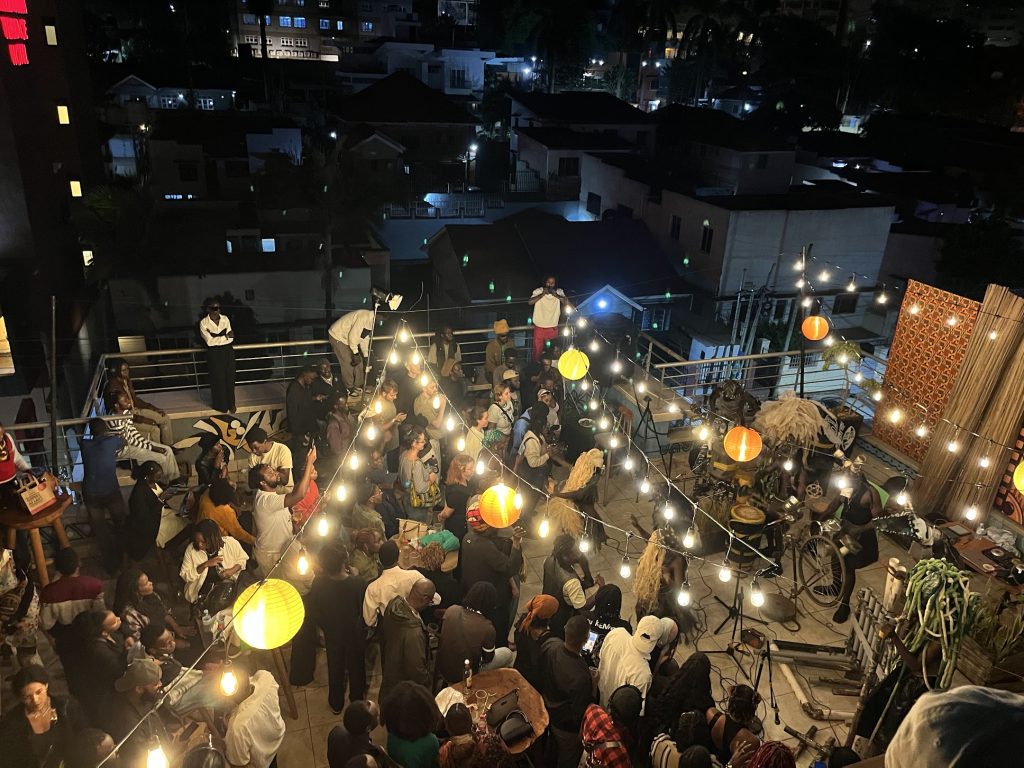
Kampala has some good restaurants. You can find Indian, Italian, American, or even and even Mexican food. Cafe Javas is one of the most popular local restaurants. They have a number of locations throughout the city. Some other popular restaurants to try include Cantine Divino, Haandi Restaurant, and Caramel Cafe.
Kampala also has some great nightlife. Ugandans love to party. There are plenty of bars and clubs to choose from. Kololo is a great neighborhood for going out. Here, you’ll find dozens of bars and clubs. Some popular bars and clubs to visit include The Terrace, Otters, Kickoff, and Kush Lounge.
There are other entertainment options as well. Most malls have movie theaters. You could go swimming. There are swimming pools at hotels across the city where you can pay by the day to use their facilities.
Pros of Living in Uganda
- The weather is excellent- The weather is comfortable every day because most of Uganda sits at high elevation on a plateau on the equator. It doesn’t get too hot or cold. During the wet seasons, it only rains a couple of hours per day.
- English is widely spoken- In Uganda, kids learn English from a young age. Pretty much everyone speaks at least basic English.
- Uganda is affordable- African cities can be expensive for foreigners but Kampala is an exception. You can live comfortably on almost any budget. Most expats will spend $1200-$1800 per month.
- Natural beauty- Uganda has mountains, lakes, jungles, plains, rivers, and waterfalls. There is incredible wildlife.
- Fresh fruits and vegetables- Uganda is an incredibly fertile country. Everything grows here. You can enjoy the most delicious tropical fruits including mango, papaya, jackfruit, passionfruit, etc. The avocados are the best I’ve ever had.
Cons of Living in Uganda
- The power goes out frequently- Power outages are extremely common in Uganda. They’re also extrmely annoying. The power goes out almost daily during the rainy season. Sometimes it goes out for 10-20 minutes. Sometimes it goes out for a couple of hours. Once in a while it goes out all day.
- Slow internet speeds- The internet speed in Kampala is decent. It’s good enough for watching videos and making video calls. If you regularly have to upload or download large files, you may struggle. Expect an average download speed of around 20 Mbps. Some internet providers aren’t very reliable. One time, my wifi randomly went out for like 3 days.
- You will draw attention- When you’re out and about, people will stare at you if you’re not of African descent. Sometimes someone may approach you to chat or to try to sell something. Beggars will approach you to ask for money. If you’re a foreigner, people will assume that you’re rich. If you live in a smaller town or rural area, you will draw lots of attention. This can be annoying if you’re the type of person who likes to stay anonymous.
- The air quality in Kampala is bad- There is always a haze over the city. You can smell the pollution in the air. This is one of the main reasons I moved from Kampala to Entebbe. The air quality here is much better.
- People will assume you’re rich- Most people will assume you’re rich, just because you’re a foreigner. When you try to buy something, people will overcharge you. If you go out with friends, they may expect you to pay for everything. It gets annoying.
My Experience Living in Uganda


At this point, I have been living in Uganda for about 18 months. Overall, Uganda is an excellent destination for expats and digital nomads. It’s cheap, the people are friendly, and there are lots of interesting places to explore. Uganda is also a relatively safe country, by African standards.
On average, I have spent about $1300 per month while living in Uganda. I could probably cut my budget down to around $1000 per month if I cooked all of my own food and didn’t go out as much.
One major drawback I have experienced is how unreliable utilities are. The power goes out almost daily. This gets incredibly annoying. Particularly if I’m trying to work. The water also goes out occasionally. Usually, it’s restored within a few hours.
Getting around the city is also annoying. I’m really not a fan of riding boda bodas. I’m thinking about buying a vehicle to make getting around easier.
Overall, Kampala is a great expat and digital nomad destination. There are some annoyances that you don’t have to deal with in other popular expat destinations Uganda can be an excellent choice for expats looking for something different.
Do you live in Uganda as an Expat? Share your experience in the comments below!
Pin it for later!


More from Where The Road Forks
- How to Visit Sipi Falls, Uganda
- How to Visit Lake Bunyonyi, Uganda
- Africa Overland Vs Independent Travel
- How to Plan a Cairo to Cape Town Trip

Zachary Friedman is an accomplished travel writer and professional blogger. Since 2011, he has traveled to 68 countries and 6 continents. He founded ‘Where The Road Forks’ in 2017 to provide readers with information and insights based on his travel and outdoor experience. Zachary is also an avid cyclist and hiker. He is currently based in Entebbe, Uganda. For more information on his journey and background, visit the About page. For inquiries and collaborations, please reach out through the Contact page. You can also follow him on Facebook.
Gijo
Wednesday 12th of June 2024
very well written blog, all the best