
Buenos Aires is becoming an increasingly popular destination for expats and digital nomads. The city offers a low cost of living, a large expat community, great food, a quality healthcare system, and good public transport. Overall, the quality of life is excellent. It’s also a beautiful city with some great architecture and plenty of green spaces. Of course, there are some drawbacks to consider. It’s also not the most efficient place. Safety can be an issue in some neighborhoods. The economy is also bad but it is improving.
In this guide, I’ll outline everything you need to know about living in Buenos Aires. I’ll cover the cost of living, transportation, finding an apartment, banking, visas, healthcare, safety, and more. I’ll also list the pros and cons of living in Buenos Aires.
Buenos Aires was the first place I lived when I became a digital nomad. I chose Buenos Aires due to its affordability and because there is a large expat population. I think it’s one of the best value destinations. In this guide, I’ll share my experience. Hopefully, this guide makes moving to Buenos Aires a little bit smoother and easier.


Table of Contents
- Cost of Living in Buenos Aires
- Inflation
- Visas
- Where to live in Buenos Aires
- Finding an apartment
- Healthcare in Buenos Aires
- Transportation
- Money and banking
- Is Buenos Aires Safe for expats?
- Weather and climate
- Packing: What to bring
- Food: Grocery shopping and restaurants
- Pros and cons of living in Buenos Aires
- The language barrier
- Meeting People
- Education
- Getting to Buenos Aires and travel in the region
- My Experience
- FAQ


Quick Info
- Population- 15.5 million
- Region- Central Eastern Argentina on the western shore of Rio de la Plata
- Climate- Temperate
- Geography- Flat
- Main language- Spanish
- Currency- Argentine Peso (ARS) Currently $1=850 pesos.
- Main Religions- Catholicism
- Time zone- GMT-3
- Drives on the- Right
- Electricity- 220V 50Hz
- International Dialing Code- +54


Cost of Living in Buenos Aires
Buenos Aires offers a low cost of living. An average expat or digital nomad could comfortably in Buenos Aires for $1200-$1500 per month. A couple could live comfortably on $1800-$2500 per month.
This budget includes all living expenses including rent, utilities, groceries, transportation, health insurance, and entertainment. On this budget, you could rent a nice one-bedroom apartment in a safe neighborhood in a central area. You could eat out a few times per week and go out to enjoy the nightlife a few times per month.
If you’re frugal, it’s possible to live in Buenos Aires on a much lower budget. If you were to rent an unfurnished apartment outside of the city center and cook most of your own meals, you could live in Buenos Aires for $800-$1000 per month. Most Argentinians earn less than $700 per month.
If you prefer to live a more luxurious lifestyle, expect to spend closer to $2500-$3000 per month. On this budget, you could live in a nice apartment in a higher-end neighborhood, eat out every day, and go out every weekend.
For those earning in strong foreign currencies like dollars, euros, or pounds, Buenos Aires offers excellent value. The cost of living is high for those earning in pesos.
It’s important to note that the cost of living in Buenos Aires can vary quite a bit because of Argentina’s unstable economy. Inflation can cause prices to change rapidly. For example, when I first arrived in Buenos Aires, a bottle of my favorite wine cost 2000 pesos. Just a few months later, the same bottle cost 2500 pesos. This can impact your budgeting. Hopefully, prices will stabilize and the inflation rate will decrease now that president Milei is getting the country’s spending under control.
Cost of Rent
On average, rent for an unfurnished studio or one-bedroom apartment in a decent neighborhood of Buenos Aires costs between $400 and $600 per month. For this price, you can stay in a nice neighborhood such as Retiro, Recoleta, Santa Teresa, or San Nicolás.
If you’re on a tighter budget you could rent an unfurnished apartment a bit outside of the city center for even less. It’s possible to rent an apartment in a safe area for $250 to $300 per month.
If you’re only staying short term, you can rent a furnished apartment on Airbnb for around $600-$1000 per month. This is a good option if you’re staying for 1-3 months. This is what I did when I first arrived.
Higher-end apartments are also available for those looking for a more luxurious lifestyle. In trendy neighborhoods like Palermo, expect to spend around $1500-$2000 per month, for a luxury apartment.
Most apartments are priced in dollars. This makes it difficult to take advantage of the exchange rate. Rent isn’t that cheap here. Expect to spend another $50-$100 per month on utilities depending on your usage.
Food Costs
An average person will spend between $200 to $300 per month on food.
Grocery shopping in Buenos Aires is affordable. Expect to spend around $150 per month on groceries. A liter of milk might cost around $1, a loaf of fresh bread about $1.50, and a dozen eggs approximately $2.
Eating out in Buenos Aires is pretty affordable. A meal at a mid-range restaurant costs around $5-$8. A classic Argentine steak dinner with a glass of Malbec might cost around $20-$30 per person. For a slice of pizza, a choripán (a chorizo sandwich), or a couple of empanadas, you might spend $2-$4.
Transportation Cost
Public transportation in Buenos Aires is cheap. You might spend $15 to $30 per month on public transportation depending on how often you need to commute.
The city has a great subway system (called the Subte). There is also a big public bus network. A single bus or subway ticket costs around $0.30.
There are also taxis and Ubers available. They are pretty affordable in Buenos Aires. The starting rate for a taxi is around $1, and the rate per kilometer is also around $1. A ride halfway across town might cost $4-$5. An average Uber ride within the city may cost between $2 to $10, depending on the distance and traffic.
Buenos Aires is also a pretty walkable city. Cycling is also an option. You don’t always have to spend money to get around.
Entertainment Cost
Buenos Aires is known for its nightlife, theater, and tango dancing. The cost of going out to bars and clubs varies. On average, expect to pay around $3 to $5 for a beer and around $6 to $10 for a cocktail in a mid-range bar.
Buenos Aires also has plenty of museums, art galleries, and historical and cultural sites to visit. Ticket prices range from $2-$10. There are usually free days each month. The city’s parks, plazas, waterfront areas, and green spaces are free to visit.
Live theater shows and tango performances are popular in Buenos Aires. Tickets to a tango show range from $30 to over $100, depending on the venue and whether dinner is included. Tickets to a ballet or opera performance at Teatro Colón, one of the top opera houses in the world, range from $10 to over $200.
A Note About Inflation in Argentina
It’s important to note that inflation in Argentina is extremely high. At the time of writing, inflation is running at over 100% per year.
Inflation in Argentina is caused by driven by fiscal deficit and debt. Basically, the government overspends and prints money to cover the deficit. This devalues the currency and causes prices to rise.
This inflation can make the cost of living unpredictable. If you earn in a foreign currency, such as dollars or euros, you are insulated from the inflation. If you earn in pesos, it can be really difficult to budget. The prices of goods and services can change quickly.
For example, when I arrived in Buenos Aires, a bottle of my favorite wine cost 2000 pesos. The same bottle cost nearly 3000 pesos just a few months later. This means the price increased by around 50% in just a few months.


Visas for Argentina
It is relatively easy to stay in Argentina long term. In this section, I’ll outline some visa options.
Argentina Digital Nomad Visa
Recently, Argentina introduced a digital nomad visa. This is a type of visa that is specifically designed for people who are working remotely for a company or running their own online business while traveling.
This visa allows digital nomads to legally live and work in Argentina for up to 180 days. It is possible to extend the visa for an additional 180 days. In total, you can stay in Argentina for up to 1 year with this visa.
To apply for the Argentina Digital Nomad Visa, you must submit proof of employment ((usually a bank statement or pay stub) and a CV. You need to show that you have sufficient income. You must also show proof of health insurance that provides coverage in Argentina. In addition, you must have a clean criminal record. Of course, you also need to supply your passport and a photo.
You need to fill out an online form and submit the required documents. Next, you must pay an application fee of around $80. You will also have to go to an appointment in person at your nearest Argentine embassy. After the visa is approved and issued, you can legally live and work in Argentina.
You can read about the requirements and application process on the official government website here. For more info, check out this helpful guide from the official Buenos Aires government website.
Making Border Runs to Colonia
A border run (or visa run) is a common method expats and digital nomads use to extend their stay in Buenos Aires. Many nationalities are allowed to stay in Argentina for up to 90 days without arranging a visa in advance. If you leave the country and re-enter, you can reset this and stay for another 90 days.
Argentine law allows a visitor to stay for up to 180 days per calendar year. Doing one visa run is legal. The 180 day rule isn’t strictly enforced. Some expats and digital nomads living in Buenos Aires make border runs every 3 months for years. They live in the country as tourists.
The most convenient border run from Buenos Aires is Colonia, Uruguay. A short ferry ride will get you there. You can spend a couple of hours wandering around Colonia then catch the next ferry back to Buenos Aires. Once you re-enter Argentina, you can stay for another 90 days of stay. You can make this trip in less than a day.
It’s also possible to make border runs to Chile, Paraguay, and Brazil. These journeys take a bit more time. You can make a vacation out of your border runs. For example, if you’re visiting Iguazu Falls, you can take a quick trip across the border to Ciudad del Este, Paraguay.
It’s important to note that making continuous border runs can be risky. If immigration agents notice that you are regularly leaving and then coming back, they could deny you entry. More likely, they will threaten you that they won’t let you in again in the future. Immigration could also crack down on border runs at any time in the future. So far, they haven’t.
Making visa runs will work for those who are planning to stay short term (6-9 months). You can easily get away with 1 or 2 border runs. If you’re planning on living in Buenos Aires for a year or more, you should get a longer-term visa.
Visa Overstays
If you’re planning on staying in Argentina long term, another option is to simply overstay your visa and pay a fine. In Argentina, when you overstay your visa, you are not considered ‘illegal’. Instead, you are considered a “domiciled resident” or an “irregular resident”. You will not be arrested or detained if you are caught.
You will have to pay a fine for overstaying and obtain a permit before you can leave Argentina if you overstay. Currently, the fine is about 12,500 pesos (around $51). In most cases, you won’t be banned from re-entering Argentina as long as you don’t break any other laws. Once you pay the fine, you are given a 10-day period to leave Argentina.
The benefit of overstaying instead of making visa runs is that you won’t have to interact with immigration as frequently. You don’t risk being denied re-entry. You also save time and money. The main drawback is that you can’t get an Argentinian ID number. You can’t open a bank account or use the public healthcare system.
Personally, I don’t recommend you overstay. The laws could change or the fine could increase. It is possible that you could be banned from re-entering, though I have never heard of this. It’s best to do things legally and apply for a digital nomad visa or residency visa. Alternatively, you can make border runs.
For more info on overstays in Argentina, check out the official government website here.
Prórroga (Visa Extention)
It is also possible to extend your stay without doing a border run. When your 90-day tourist visa is about to expire, you can apply for a one-time extension for another 90 days for a total of 180 days. This extension is called a prórroga.
To apply for a visa extension, you need to visit the Dirección Nacional de Migraciones (National Immigration Office) in Retiro within 10 days of the expiration of your tourist visa. Bring your passport with you. The office is located at Av. Antártida Argentina 1355.
The process is pretty straightforward. You don’t need an appointment. You simply wait in line, fill out a form, and pay a fee for the extension. The office is open from 8 am to 2 pm. It’s best to arrive early to avoid long lines. This process could take anywhere from 1-4 hours, depending on how busy the office is.
This extension can only be done once per entry. You also can’t apply for a prórroga if you’ve overstayed your visa. For more information on the Prórroga, check out this guide from the official government website.
Residency Visas in Argentina (Work Visas, Marriage Visas, Retirement Visas, etc.)
Obtaining temporary or permanent residency in Argentina is also possible for expats or retirees who want to stay long-term. There are several ways to get residency. The requirements can vary.
One way to get residency is by finding employment in Argentina. If you get a job with a company based in Argentina, the company can sponsor your temporary work visa. Eventually, this can lead to permanent residency. The work visa is usually valid for one year and can be renewed as long as you remain employed with the company sponsoring you.
Getting married to an Argentine citizen or permanent resident is another path to residency. Once you’re married, you can apply for a temporary residency permit. This is valid for two years. After that, you can apply for permanent residency.
Those who can support themselves financially can apply for a ‘person of independent means’ visa. This is also known as the ‘rentista’ visa. To qualify, you must prove that you have a steady income from abroad. This could be a pension, investments, or rental income. Currently, the official required minimum monthly income is around 30,000 pesos. Most embassies require a higher income of $2000-$2500 per month.
Retirement visas or Pensionado visas are also available for those with retirement income from a pension, investments, or social security. There is an income requirement. These visas are valid for one year. They can be renewed for 2 additional years. After that, you can apply for permanent residency.
All of these visas can be renewed. In most cases, you can apply for permanent residency after 2-3 years. After 5 years, you can apply for citizenship.
There can be a lot of paperwork involved. You will probably need the help of an Argentine immigration attorney to get these visas. There is quite a bit of bureaucracy in Argentina.
Student Visa
Argentina also offers a student visa. This is one of the easier visas to apply for. You will need to find a program that is accepted by the Argentine immigration office. Generally, any university degree will be acceptable. Short courses, like language classes, may not be accepted.
To apply for this visa, you need to be registered as a full-time student. You will need to submit your school registration, passport, and criminal background check to apply. One major benefit of this visa is that it allows you to work in Argentina.
Working Holiday Visa
The Working Holiday Visa is available to citizens from Australia, Denmark, France, Ireland, and New Zealand. The program is only open to people between 18 and 30 years old.
This visa allows you to stay in Argentina for up to 12 months. During that time, you can work to supplement your travel expenses. It’s important to note that you need to apply for this visa while you’re still in your home country.
To apply, you’ll need to submit an application with some support documents including your passport, proof of sufficient funds for your stay, a return ticket, and proof of health insurance.
This visa program operates on a reciprocal basis. The number of visas issued each year may be limited.
Working in Buenos Aires
If you speak fluent Spanish and are willing to work for local wages, you can find a job here. Foreigners can find jobs in IT, hospitality, tourism, and education (particularly English teaching). Most jobs include health insurance.
The drawback is that salaries are low. For example, an English teacher might only earn between $600 and $1,000 per month. It’s enough to live on but money will be tight.
Starting a business in Argentina is difficult. There is a lot of bureaucracy. Policies change frequently. The high inflation also complicates things.
Where to Live: The Best Neighborhoods in Buenos Aires
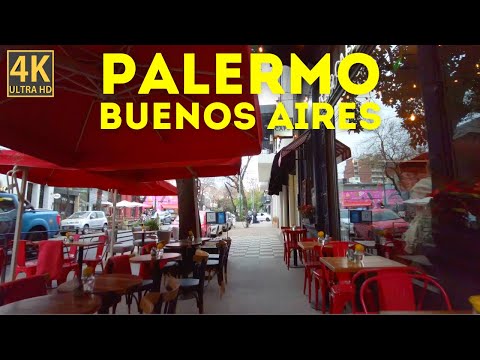
- Palermo: This is the most popular choice for expats and digital nomads. Palermo has a lively atmosphere and modern amenities. This neighborhood is filled with trendy bars and restaurants and stylish boutique shops. It’s also near some beautiful parks. It is one of the most expensive neighborhoods in the city. I lived here for a few months. It was my favorite neighborhood I stayed in.
- Recoleta: Recoleta is a posh neighborhood Known for its Parisian-style architecture. It’s a great choice for those looking for a more upscale lifestyle. The area has lots of history and culture. This neighborhood is home to the famous Recoleta Cemetery.
- Belgrano: This neighborhood is ideal for families and individuals looking for a quiet, residential area. It’s also home to Buenos Aires’ Chinatown.
- San Telmo: If you’re looking for a historical and bohemian vibe, San Telmo is a good choice. This neighborhood is known for its large Sunday market, cobblestone streets, and antique shops. It’s also got some great architecture.
- Puerto Madero: This is one of the city’s most modern districts. Puerto Madero is a great choice if you’re looking to live in a luxurious high-rise apartment building. The area also has some nice large green spaces along the waterfront. Puerto Madero is also considered one of the safest neighborhoods in Buenos Aires.
- Retiro: Retiro offers a mix of high-end and budget-friendly options. It is also conveniently located near the city center.
- San Nicolás (Microcentro or downtown): This is the central business district. It’s perfect for those who want to enjoy the hustle and bustle of the city. There are skyscrapers, shopping malls, theaters, restaurants, and lots of nightlife options. This is the first place I stayed in Buenos Aires.
- Barracas: This is an up-and-coming barrio. It’s a great option if you’re on a tight budget. You do have to be careful if you choose this neighborhood because there are some areas that can be dangerous. This is where I spent most of my time in Buenos Aires. I stayed just south of San Telmo.
There are also some neighborhoods to avoid including La Boca, Once, Constitución, and Congreso. These areas can be dangerous at night.
I’ve also made some Walking videos of many of Buenos Aires neighborhoods. Check out my Argentina videos here on YouTube.

Finding an Apartment in Buenos Aires
There are several online platforms you can use to search for apartments in Buenos Aires including:
- ZonaProp
- Argenprop
- Solo Dueños
- MercadoLibre
- AlquilerArgentina.com
- Craigslist
Another good way to look for apartments is to join expat groups on Facebook. People sometimes advertise rentals on there. Someone may be looking for a roommate.
Another option is to walk around your favorite neighborhoods and look for ‘for rent’ signs. Call the number and rent directly from the owner. You’ll have to speak Spanish to do this.
Another option is long-term Airbnb rentals. This is more expensive but much more flexible and convenient. The apartment will be fully furnished and utilities will be included. You won’t have to deal with putting the utilities in your name. If you’re planning to stay less than 3 months, this may be the best option. To save some money, you can reach out to Airbnb hosts and negotiate a long term rate with them directly.
When browsing through apartment listings, you’ll notice that apartments are listed by the number of “ambientes” or rooms, rather than the number of bedrooms. In Buenos Aires, any separated living space, including the living room, is considered an ambiente. For example, a two-ambiente apartment will have a bedroom and a living area. This would be considered a one-bedroom in most of the world.
Consider staying in a few different Airbnbs or hotels to get a feel for which neighborhoods you like best. I stayed in 4 different Airbnbs before I rented an apartment.
Rental Agreements in Argentina
There are two types of rental contracts used in Buenos Aires. There are temporary rental contracts and “Garantia” contracts.
Temporary rental agreements are a good choice for expats and digital nomads because they are more flexible. These agreements usually last for six months. They are often priced in dollars. Some of these temporary rentals may come fully furnished.
“Garantia” contracts are long-term rental agreements that usually last for two years. They are usually priced in Argentine pesos. They include a clause that adjusts for inflation every quarter or every six months.
What makes these contracts different is the “garantia” or guarantee required. This usually needs to be a property owner in Argentina who will co-sign for you. If you can’t pay your rent, this person will be responsible. It can be very difficult for a foreigner to find someone to sign. Locals usually use a family member who owns a home as their garantia.
In addition, a Documento Nacional de Identidad (DNI) is usually required to rent an apartment with a garantia. You can only get a DNI if you’re a resident of Argentina. You don’t need a DNI for a temporary rental.
When it comes to paying rent or deposits for apartments, large payments are usually made by bank transfer. Before you travel to Argentina, it’s a good idea to make sure you can make international transfers from your bank account.
It is also possible for foreigners to buy property in Argentina. If you’re planning on living in Buenos Aires long term, you may be better off buying a home. Real estate can be a good investment but there are a lot of risks.
Healthcare in Argentina
Buenos Aires has both public and private healthcare options. The public healthcare system in Buenos Aires is accessible to everyone, including residents, expats, and even tourists. There are free medical services available at public hospitals and clinics. The quality of care is excellent.
The problem with the public healthcare system is that it is wait times are long because the hospitals are understaffed. The infrastructure is also lacking. Some treatments simply aren’t available. This is due to underfunding.
Most expats choose to go to private hospitals and clinics if they can afford it. The wait times are much shorter and the hospitals are better equipped. If you’re willing to pay, you can get great care. The prices for private healthcare are relatively reasonable.
Health Insurance in Argentina
Even though healthcare costs are low in Argentina, it’s a good idea to have health insurance. Treatment costs can add up quickly when you’re paying out-of-pocket. Particularly if you have a major medical issue.
There are health insurance options for everyone. You don’t have to be a resident. You can even sign up with an expired tourist visa. Most employers even include private health insurance as a benefit.
Health insurance premiums are pretty affordable. On average, a health insurance plan for an average adult will cost $50 to $100 per month. The exact cost depends on the coverage you choose and your age. Many of the health insurance plans provide comprehensive coverage, including prescriptions, preventative care, and even dental.
If you’re just planning on staying in Buenos Aires short term, like 6 months or less, travel insurance is a good option. I have used World Nomads and SafetyWing. Travel insurance can cost anywhere from $30-$100 per month, depending on the level of coverage you get.
Transportation and Getting Around
One of the best things about Buenos Aires is that the city is very easy to get around. Most neighborhoods are walkable. There is also an extensive public transport network. Of course, taxis and rideshare services are also available. You don’t need a car to get around Buenos Aires. Driving is a hassle in the city and cars are expensive due to high import taxes.
Public Transportation
Buenos Aires has an excellent public transport system. There is a large subway system called the Subte. as well as a public bus network. There are lots of metro stations and bus stops. It’s also easy to use. It does get pretty crowded at times, particularly during peak commuter hours.
If you want to use public transportation in Buenos Aires, you need to get a SUBE card. This is a rechargeable card that you can use to pay on buses and the subway. You can load money onto the card at SUBE kiosks, subway stations, sidewalk kiosks, or convenience stores. If you see the SUBE logo, you can load your card there. When you go to take the subway or a city bus, you tap the card on a card reader. The card reader will show you your balance. Rides cost 12.5-21 pesos.

You can buy a SUBE card at most kiosks, convenience stores, and SUBE stations. It can be a bit of a challenge to find a card. They are often sold out. You may have to ask around a bit. I had to ask at around 10 kiosks before I could find a card. Once you get a card, you can keep using the same one and recharging it. The card itself costs just a couple of dollars.
There are also trains that connect the center of the city with the suburbs. If you live in a central area, you won’t have to use the trains.
Taxis and Rideshare in Buenos Aires
Taxis are common in Buenos Aires. You will see a line of black and yellow taxis on the streets. You won’t have to wait long.
The drivers use a meter. When you get in a cab, make sure the driver turns the meter on. Some drivers may try to offer you a flat rate. This will be higher than the meter. Most taxi drivers will use the meter automatically. Some drivers may try to overcharge but you don’t have to worry about scams as much as you do in many other major cities. The taxis are safe. Many taxis only accept cash. Some also accept credit cards these days.
Uber is also available in Buenos Aires. Other rideshare services are also available including Cabify and Didi. These are a little more popular than Uber.
Walking
Buenos Aires is a walkable city. It’s flat. There are sidewalks and crosswalks everywhere. Most locals walk when traveling short distances. The streets are busy.
If you’re staying in a centrally located area, you can easily walk to grocery stores, bars, restaurants, convenience stores,